Heat Pump Defrost Mode Explained: A Contractor’s Guide to Clear Homeowner Conversations
How to explain normal winter heat pump behavior, reduce confusion, and help homeowners know when to call.
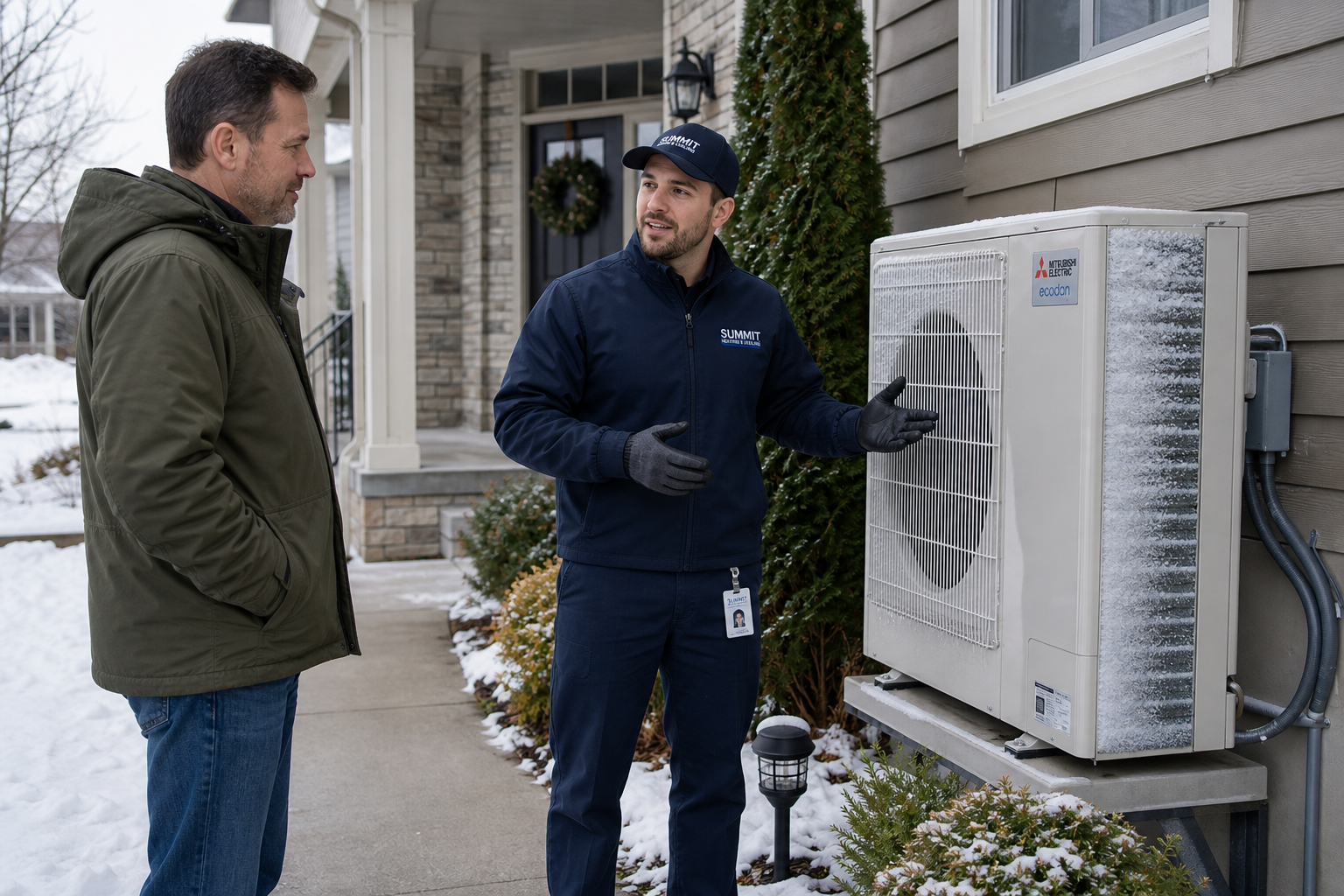
Winter heat pump calls often start the same way: the homeowner sees steam, hears a change in sound, notices the outdoor fan stop, or feels cooler air for a few minutes and assumes something is wrong. In many cases, the system is doing exactly what it is supposed to do. The challenge for contractors is not just diagnosing equipment. It is explaining normal operation in a way that feels reassuring, simple, and believable.
That is where a better explanation of defrost mode can save time, reduce unnecessary callbacks, and build trust. Homeowners do not need a deep refrigeration lesson. They need a clear answer to three questions: what is happening, is it normal, and when should I actually be concerned?
This guide gives contractors a practical way to handle that conversation. It covers how defrost mode works in plain language, what homeowners are likely to notice, how to distinguish normal frost from trouble signs, and how to set expectations during sales visits, installations, tune-ups, and service calls. Local equipment requirements, controls, and cold-weather performance details vary by manufacturer and installation, so always match your explanation to the actual system in front of you.
A strong defrost explanation does two jobs at once: it reassures homeowners when the system is acting normally, and it makes it easier for them to recognize symptoms that truly need service.
Why do homeowners get concerned about heat pump defrost mode?
Defrost mode creates visible and audible changes that can look unusual if nobody has explained them ahead of time. A homeowner may look outside and see frost on the unit, then later see vapor rising off it and think the unit is overheating. They may hear a swooshing sound or notice the outdoor fan stop temporarily. Indoors, they may feel the air become less warm than usual for a short time. If they do not know defrost is part of normal operation, they can easily assume the system is failing.
From the contractor’s perspective, this is a communication problem before it is a mechanical one. Most homeowners are used to a gas furnace or other heating source that does not visibly change modes in the yard. A heat pump is different. The outdoor unit is active during the heating season, and that means weather conditions affect what the system looks and sounds like.
Moisture in cold outdoor air can collect on the outdoor coil during heating operation. When conditions are right, that moisture can freeze. The system periodically removes that buildup so airflow and heat transfer can continue. To a technician, that is routine. To a homeowner, it may look strange unless the explanation is direct and simple.
How should contractors explain defrost mode in plain language?
The best explanation is short, visual, and free of jargon. A practical script is: in winter, the outdoor part of your heat pump can collect frost as it pulls heat from outside air. Every so often, the system briefly goes into defrost mode to melt that frost off so it can keep working properly.
That one sentence does a lot. It tells the homeowner that frost can be normal, that defrost is intentional, and that the purpose is to keep the system operating efficiently. If the homeowner wants more detail, add a second layer: during defrost, the system temporarily shifts how it operates so the outdoor coil can warm up and clear the ice. Depending on the equipment, supplemental heat may run to help maintain indoor comfort during that period.
Avoid making the explanation too technical too early. Most homeowners do not need to hear about reversing valves, board logic, sensor strategies, or exact coil temperature thresholds unless they ask. Start with the practical purpose. Then add details only if the conversation calls for them.
It also helps to normalize the timing. You can say that defrost happens only when the system determines it is needed, and the frequency can vary with outdoor temperature, humidity, wind exposure, coil condition, and the specific controls used by that manufacturer. In other words, local conditions vary, so one winter day may look different from another.
What should homeowners expect to see, hear, and feel during defrost?
Contractors reduce anxiety when they walk homeowners through the exact symptoms of normal defrost. Visual expectations are usually the most important. Homeowners may see light frost on the outdoor coil during heating operation. Later, when defrost starts, they may see mist or vapor rising from the unit as the frost melts. That vapor often looks dramatic, but it is commonly just moisture meeting cold outdoor air.
They may also hear changes. The unit can sound different during the cycle, and the outdoor fan may stop for a period depending on the system design and control sequence. Some homeowners interpret that as the unit shutting down, so it helps to tell them in advance that a temporary fan stop can be part of normal operation.
Indoors, they may notice the air from supply vents feels less warm for a short time than it does during steady heating. If the system uses auxiliary or backup heat, the home may continue to feel fairly stable, but even then the homeowner may notice a brief shift in airflow temperature or runtime behavior.
The key phrase is short time. Contractors should avoid promising a specific defrost duration because actual timing varies by equipment and conditions, but it is fair to explain that defrost is a temporary cycle, not an all-day condition. If the system appears stuck in repeated defrost, cannot maintain comfort, or develops heavy ice that does not clear, that moves the conversation toward service rather than reassurance.
How can contractors explain the difference between normal frost and a real problem?
This is one of the most valuable homeowner conversations you can have. Many service calls happen because homeowners do not know what level of frost is normal. The message should be balanced: some frost can be normal in heating mode, but thick, persistent ice buildup is not something to ignore.
A homeowner-friendly way to frame it is this: a light, even coating of frost on the outdoor coil can happen in cold weather, and the system is designed to remove it through defrost mode. What is more concerning is heavy ice that keeps building, ice that does not clear after the unit has had time to run through defrost, or ice extending beyond the coil area in a way that suggests drainage or airflow issues.
Contractors should also note that repeated homeowner observations matter. One photo of a frosty unit does not tell the whole story. A pattern of ice remaining on the coil, the top grille, base area, or fan section after multiple operating cycles may indicate a problem worth investigating. Causes can include airflow restrictions, control issues, sensor problems, refrigerant-related concerns, drainage issues, or other system-specific faults.
When you explain this distinction clearly, you protect both sides of the conversation. The homeowner does not panic over normal operation, and they also understand that not all ice is harmless. That keeps your guidance credible.
- Normal: light frost that appears during heating in cold, damp conditions.
- Normal: temporary vapor or steam-like mist when defrost clears frost.
- Normal: brief changes in sound, fan operation, or vent air feel during defrost.
- Concerning: heavy ice that remains after the system should have completed defrost cycles.
- Concerning: unit struggling to heat the home or running unusually long without improving comfort.
- Concerning: repeated lockouts, unusual noises, water drainage issues, or visible damage.
Where does backup or auxiliary heat fit into the explanation?
Many homeowners first hear about auxiliary heat when they notice a thermostat indicator or a change in utility usage. Defrost mode is a natural time to explain why backup heat may operate. A simple version is: while the heat pump clears frost from the outdoor coil, the system may use supplemental heat to help maintain indoor comfort.
That explanation helps homeowners connect two things they may otherwise see as unrelated. If they know backup heat may assist during certain cold-weather conditions, they are less likely to assume the thermostat or air handler is behaving erratically.
At the same time, be careful not to overgeneralize. Not every system is configured the same way. Thermostat staging, control logic, equipment type, and local climate needs vary. Explain the behavior of the installed system, not a generic idea of all heat pumps everywhere.
This is also a good moment to set expectations about comfort. During very cold weather or during transitions like defrost, the supply air from a heat pump may feel different from the hotter blast a homeowner expects from a fossil-fuel furnace. That does not automatically mean the system is underperforming. Framing the difference correctly can prevent a lot of dissatisfaction rooted in perception rather than actual failure.
What phrases work best when speaking with homeowners on-site?
Contractors often know the technical answer but need a cleaner delivery. The best homeowner language is calm, definite, and easy to repeat. You want them to remember the message after you leave.
One useful phrase is: your heat pump is removing frost so it can keep heating efficiently. Another is: seeing some frost in winter can be normal; what matters is whether the system clears it. If the homeowner is worried about vapor, try: that cloud you saw is usually moisture coming off the coil during defrost, not smoke.
When discussing concern thresholds, keep the standard practical: if you see heavy ice staying on the unit, if the home is not staying comfortable, or if you notice the same issue continuing, that is the time to call. This gives the homeowner permission to monitor without turning them into a nervous observer of every cycle.
It also helps to avoid language that sounds dismissive. Saying “it’s normal” without context can feel like brushing off a legitimate concern. Instead say, “what you described is consistent with normal defrost operation, and here is what to watch for if it changes.” That wording acknowledges the concern while still educating.
Good homeowner education is specific enough to be useful and simple enough to remember. If the customer cannot explain it back to a spouse later, the explanation was probably too technical.
When should contractors bring up defrost mode during the customer journey?
The best time is before the first winter confusion call. Contractors should mention defrost mode during system sales when presenting heat pumps, again during installation walkthroughs, and again during fall or winter maintenance visits. Repetition matters because many homeowners do not fully absorb operational details until they experience them.
During the sales process, frame defrost mode as part of normal cold-weather operation rather than as a warning. During startup or turnover, physically show the homeowner the outdoor unit and explain that its winter appearance may change over time. During maintenance, remind them what normal frost looks like and ask whether they have noticed any persistent ice or comfort issues.
Service technicians can also use documentation wisely. A brief note on the invoice or a follow-up email summarizing what was explained can help reduce later misunderstandings. Keep it plain language. The goal is not to bury the customer in technical notes. The goal is to reinforce what normal looks like for that specific system.
If your company uses post-install or seasonal homeowner guides, a short section on winter heat pump behavior can be worth including. Just make sure it matches the installed equipment and does not make promises that ignore local weather, controls, or manufacturer differences.
What practical steps reduce unnecessary winter callbacks?
Communication matters, but so does setup. Homeowners are more likely to trust your explanation when the system is clean, properly commissioned, and easy to observe. A neglected outdoor unit with blocked airflow or poor drainage creates conditions that make every winter concern feel more suspicious.
For contractors, the practical approach is to combine education with field basics. Confirm the system is operating correctly, verify control behavior, keep the homeowner informed about what they may notice, and explain what signs should trigger service. This reduces the chance that a normal event becomes a panicked callback.
- Explain defrost mode during the sales conversation for heat pump replacements or new installs.
- Repeat the explanation during installation turnover and point out the outdoor unit in person.
- Keep the outdoor unit area clear and discuss the importance of unobstructed airflow.
- Check that drainage paths and surrounding conditions do not encourage excessive ice accumulation.
- Review thermostat indicators or staging behavior if the system uses auxiliary heat.
- Tell homeowners which changes are normal and which symptoms should prompt a service call.
- Encourage photo documentation if a homeowner believes ice is not clearing over time.
- Note that local weather patterns and equipment controls vary, so behavior may differ from neighbor to neighbor.
It is also smart to coach office staff and dispatchers. The first person who answers the phone should know enough to ask useful questions without diagnosing over the phone. If a customer reports steam, frost, or a temporary fan stop during winter operation, your team should be able to distinguish likely normal defrost behavior from a stronger need for urgent service scheduling.
Frequently asked questions contractors hear about defrost mode
Is it normal for a heat pump to have frost on it in winter?
Some frost on the outdoor coil can be normal during heating operation, especially in cold and damp conditions. The important issue is whether the system clears that frost through defrost mode rather than allowing heavy ice to continue building.
Why did the outdoor unit start steaming?
What looks like steam is often vapor created when frost melts off the coil during defrost. Homeowners often mistake this for smoke, but in many cases it is simply moisture interacting with cold outdoor air.
Why did the outdoor fan stop running?
Depending on the equipment and control sequence, the outdoor fan may stop during part of defrost mode. Contractors should explain that this can be normal for the system they installed or serviced.
Why does the air indoors feel cooler sometimes?
During defrost or certain cold-weather operating conditions, the air from the vents may feel less warm for a short period than the homeowner expects. If the system uses backup heat, that can help maintain comfort, but the feel may still differ from other heating systems.
How often should defrost mode happen?
There is no one-size-fits-all answer. Frequency varies with outdoor temperature, humidity, wind, equipment design, control logic, maintenance condition, and installation factors. Local conditions vary, so compare the system to its own normal behavior rather than to someone else’s unit.
When should a homeowner call for service?
A service call makes sense when heavy ice stays on the unit, the home is not maintaining temperature, the equipment makes unusual noises, the unit appears to be stuck in abnormal operation, or the same issue keeps returning. Persistent symptoms matter more than a single brief observation.
What is the best takeaway contractors should leave with homeowners?
The strongest closing message is simple: defrost mode is a normal self-protection and performance feature of a heat pump in winter, not automatically a sign of failure. Some frost can be expected, and some visible changes during defrost are part of proper operation. The homeowner’s job is not to watch every cycle. It is to recognize the difference between normal temporary behavior and persistent icing or comfort problems.
For contractors, this topic is an opportunity to demonstrate expertise in a way that feels practical rather than technical. When you explain heat pump defrost mode clearly, you reduce fear, improve customer confidence, and create fewer avoidable winter service calls. Just make sure your explanation fits the actual system, since manufacturer controls, local climate conditions, and installation details vary.
Final thoughts
Heat pump education is often most effective when it focuses on lived experience instead of theory. Homeowners remember what they can see, hear, and feel: frost on the coil, vapor from the unit, the fan stopping, and a brief change in indoor comfort. When contractors connect those observations to a clear explanation, defrost mode stops being mysterious.
The practical goal is not to turn every customer into a technician. It is to give them confidence. If they understand that winter heat pump behavior can change with weather and that local requirements and equipment details vary, they are less likely to panic over normal operation and more likely to call appropriately when a real issue appears.
Join the HVAC Installer Network
Create an installer listing to help homeowners discover your business, learn about your services, view your company information, and connect with you about installation opportunities in your service area.
This article is for general informational purposes for HVAC contractors. Equipment behavior, controls, installation conditions, and local requirements vary. Always follow manufacturer instructions, applicable codes, and jurisdictional requirements when diagnosing, servicing, or explaining system operation.