Heat Pump vs Furnace in Cold Climates: How Homeowners Can Choose Based on Comfort, Utility Costs, and Backup Heat Needs
A practical guide to comparing warmth, winter performance, monthly operating costs, and backup heat options before you replace your home heating system.
If you live where winters are long, windy, or regularly below freezing, choosing between a heat pump and a furnace can feel confusing. You may hear that heat pumps are the future, that furnaces heat better, or that one option is always cheaper. In real homes, the best answer depends on your climate, utility rates, insulation, ductwork, comfort preferences, and whether you need backup heat.
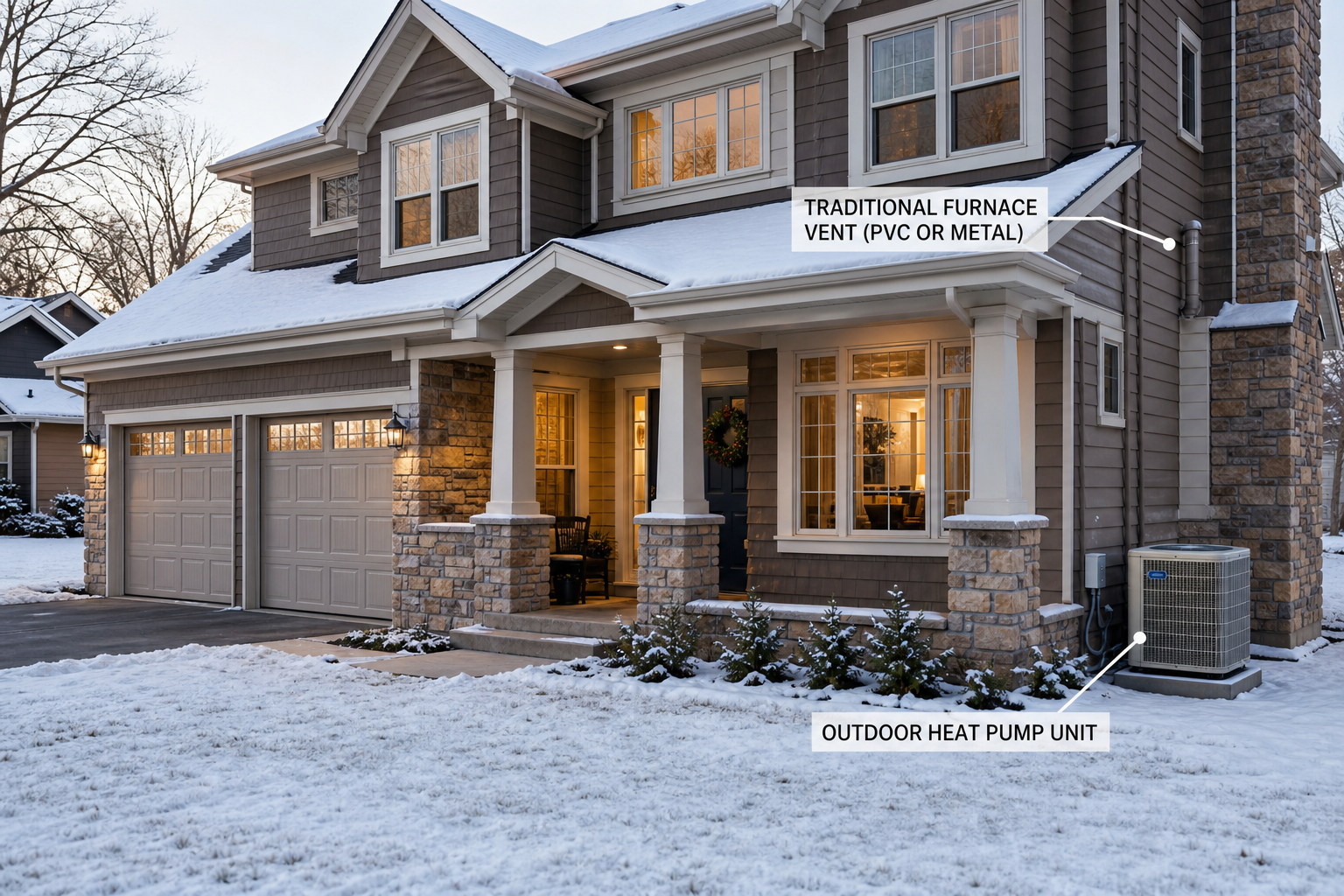
A furnace creates heat by burning fuel or using electric resistance heat, then pushes that warmed air through the home. A heat pump works differently. It moves heat from outdoors to indoors, even when it is cold outside. Modern cold-climate heat pumps can work well in low temperatures, but their performance, efficiency, and need for supplemental heat can change as outdoor conditions become more severe.
For homeowners, this decision should not be reduced to a sales slogan. It should be based on how you want the house to feel in winter, what your local energy costs look like, how your existing system is set up, and what kind of backup plan makes sense during the coldest weather. Local requirements vary, and system design matters just as much as equipment choice.
If you are replacing a heating system in a cold climate, do not choose based on equipment type alone. The right decision usually comes from matching the system to your home, local weather, utility prices, and expectations for winter comfort.
What is the core difference between a heat pump and a furnace in cold weather?
The biggest difference is how each system produces usable heat. A furnace generates heat and sends it into the duct system. A heat pump transfers existing heat from the outdoor air into the home. That transfer process can be very efficient, but the amount of available outdoor heat drops as temperatures fall.
In milder winter weather, a heat pump can be an efficient and comfortable way to heat a home. In colder weather, the unit may still run effectively, but capacity can decline and run times can increase. Some systems are built specifically for colder regions and perform better at lower temperatures than older or basic models.
A furnace usually has an easier time delivering high supply-air temperatures during very cold weather. That can matter if you want a stronger blast of warm air from the vents or if your house loses heat quickly. Furnaces are often favored in homes where winter design temperatures are severe, where natural gas service is available, or where homeowners want simpler backup expectations.
A heat pump, on the other hand, can provide both heating and cooling from the same outdoor system. That can make it attractive if you want all-electric operation or if you are replacing both heating and air conditioning equipment at the same time.
In short, furnaces are generally judged by how reliably and quickly they can generate heat, while heat pumps are often judged by how efficiently they can move heat across a wide range of outdoor conditions. In cold climates, that distinction is the starting point for every other decision.
Which system feels more comfortable inside the home?
Comfort is personal, and it is one of the most overlooked parts of this decision. Some homeowners care most about low monthly bills. Others care most about how the air feels coming from the vents on a very cold morning. Those are not always the same thing.
Furnaces typically deliver hotter air at the supply registers. That often creates a stronger sensation of warmth, especially after a setback period or when recovering temperature after the front door has been opening and closing. If you have lived with a gas furnace for years, you may be used to that hotter supply air and may immediately notice the gentler feel of heat pump heating.
Heat pumps usually provide steadier, longer heating cycles. Instead of short bursts of very hot air, they often run for longer periods and maintain a more even indoor temperature. Many homeowners like this because it can reduce temperature swings and hot-and-cold fluctuations from room to room.
That said, a heat pump can feel less dramatic at the vents. The air may still be warm enough to heat the house effectively, but it may not feel hot against your hand. That does not automatically mean the system is underperforming. It is simply a different heating experience.
Humidity, insulation, air leakage, and duct design also affect comfort. A furnace will not solve major drafts by itself. A heat pump will not overcome undersized ducts or major heat loss without consequences. In many homes, complaints about comfort have as much to do with the house and air distribution as the equipment itself.
- Choose a furnace if you strongly prefer hotter air from the vents and fast temperature recovery.
- Choose a heat pump if you prefer longer, steadier cycles and more even temperatures.
- Look at insulation, air sealing, and duct condition before assuming the equipment alone will fix comfort issues.
- Ask whether the proposed system is sized for your home and local winter conditions rather than installed by rule of thumb.
How should homeowners compare utility costs?
Monthly operating cost is one of the main reasons homeowners consider switching equipment types, but this comparison is highly local. A heat pump may cost less to run in one area and more in another depending on electric rates, natural gas prices, propane costs, winter temperatures, and how often backup heat is needed.
That is why broad claims like “heat pumps always save money” or “furnaces are always cheaper in winter” should be treated carefully. Utility prices vary by location, and homes do not all perform the same way. A well-insulated house in a moderate cold climate may be a great match for a cold-climate heat pump. A drafty home in a harsher climate may produce a different result.
To make a practical comparison, ask a contractor to discuss projected operating costs using your local utility structure. You do not need invented savings numbers. You need a reasonable local estimate based on your home’s heat loss, likely winter temperatures, and the type of backup heat included in the proposal.
If you are comparing a gas furnace to a heat pump, look beyond the equipment brochure. Ask what happens during the coldest days of the year. Does the heat pump rely on electric resistance heat at some point? If so, how often might that happen in your area? If the house uses propane or fuel oil instead of natural gas, the comparison may look different again.
Also remember that setback strategy can affect operating cost and comfort. Heat pumps often perform best when maintaining a steadier indoor temperature rather than recovering from aggressive overnight setbacks. A furnace may recover more quickly after a deep setback. Your thermostat habits can influence which system feels and performs better.
Finally, compare the whole picture rather than just the winter bill. A heat pump can replace both heating and cooling equipment in many homes, which may simplify long-term planning. A furnace still requires a separate air conditioner if you need cooling. Depending on what you are replacing, that may shift the value discussion.
When does backup heat matter?
Backup heat is one of the most important issues in a cold-climate heat pump decision. In milder conditions, a heat pump may handle most or all of the heating load. As outdoor temperatures fall, some homes and system designs will need supplemental heat to maintain comfort or keep up with the load.
Backup heat can take different forms. In an all-electric setup, electric resistance heat strips may be installed in the air handler. In a dual-fuel setup, a furnace can serve as the backup or alternate heat source when temperatures drop below a chosen balance point. Some homeowners also keep another approved heating option for emergency situations, subject to local codes and safety requirements.
The need for backup heat does not mean a heat pump is a bad choice. It means the system should be designed honestly for the climate. In very cold weather, a heat pump without an appropriate backup strategy can leave homeowners disappointed. In a properly designed system, backup heat is part of the plan, not a surprise.
Furnaces have a simpler winter story because they are already the primary high-output heat source. But even furnace-based homes should think about resilience. Power outages, venting needs, service access, and fuel availability can all affect real-world performance when weather is severe.
If you are considering a heat pump, ask these questions clearly: At what outdoor temperature is supplemental or alternate heat expected to come on in my home? How is that point determined? Will I notice a comfort difference when the system changes modes? What does that mean for my utility bill during the coldest weeks?
These questions are especially important if you prioritize predictable comfort. A homeowner who is fine with longer run times may feel very differently from a homeowner who wants the house to warm up quickly after everyone comes home in the evening.
What home conditions can change the best choice?
No heating system should be chosen in isolation from the house itself. A high-performing home gives you more flexibility. A leaky or poorly insulated home places more stress on any heating system, especially during extreme weather.
Start with the building envelope. Insulation levels, window quality, air leakage, and basement or attic conditions all affect heat loss. If your home struggles to hold temperature now, replacing equipment alone may not deliver the result you expect. Improvements to air sealing or insulation can sometimes make a heat pump more practical or help a furnace perform more consistently.
Ductwork matters too. Undersized, poorly sealed, or badly routed ducts can limit comfort with either system. Because heat pumps often rely on longer run times and different airflow behavior, duct issues may become more noticeable after a conversion. If an installer skips over duct condition, that is a red flag.
Your existing fuel source also matters. If natural gas is already available and affordable in your area, a furnace may remain a strong value choice. If you currently rely on propane, fuel oil, or electric resistance heat, a cold-climate heat pump may deserve closer consideration. Again, local utility costs vary, so this must be evaluated case by case.
Electrical capacity can also affect the plan. Some homes may need electrical work to support certain equipment or backup heat arrangements. Local requirements vary, so ask early whether panel capacity or circuit changes may be part of the project.
Noise, outdoor placement, snow exposure, and defrost operation deserve attention as well. A heat pump’s outdoor unit needs proper installation clearance and drainage planning in winter conditions. Snow accumulation, roof runoff, and ice management should all be considered in cold climates.
If your house is drafty, uneven, or has questionable ductwork, solve those issues as part of the conversation. The best heating system for a cold climate can still disappoint if the home loses heat faster than the equipment can deliver it comfortably.
When is a dual-fuel system worth considering?
A dual-fuel system combines a heat pump with a furnace. In many cold-climate homes, this can be a practical middle-ground option. The heat pump handles heating during milder and moderately cold weather, and the furnace takes over when outdoor temperatures drop low enough that gas or another furnace fuel source becomes the better comfort or cost choice.
This approach can appeal to homeowners who like the efficiency potential of a heat pump but do not want to rely on electric resistance backup during the coldest conditions. It can also make sense for households that want the comfort of hotter supply air in deep winter while still using the heat pump for a large portion of the heating season.
Whether dual fuel is worth it depends on equipment costs, fuel availability, service complexity, and local operating costs. It is not automatically the best answer, but it is often one of the most practical answers in places with meaningful winter cold and access to natural gas.
Ask how the switchover temperature is determined and whether the controls are set up to prioritize comfort, efficiency, or a balance of both. The best dual-fuel result comes from good design and setup, not simply from having two heat sources connected to the same duct system.
Homeowners who plan to stay in the house for many years often appreciate dual fuel because it offers flexibility. If utility prices shift over time, you still have options built into the system. That flexibility can be valuable in markets where energy prices change or where winter weather can vary significantly year to year.
What should you ask an HVAC installer before deciding?
The quality of the design and installation can matter as much as the equipment category. Before choosing a heat pump, furnace, or dual-fuel system, ask practical questions that tie the proposal to your actual home.
- How was the heating load for my house determined?
- What outdoor winter temperatures are typical for my area, and how does this proposal account for them?
- If this is a heat pump, is it intended for cold-climate performance?
- What type of backup or supplemental heat is included, and when is it expected to operate?
- How will this system affect the feel of the air coming from the vents?
- Does my ductwork need modifications for airflow, comfort, or efficiency?
- Will my electrical service support this equipment as proposed?
- How will snow, ice, defrost drainage, and outdoor unit placement be handled?
- What thermostat or control strategy is recommended for this setup?
- Are there local code, permit, venting, or utility requirements I should know about?
You should also ask the installer to explain tradeoffs plainly. A good contractor should be able to tell you not only why a system is a good fit, but also what compromises come with that choice. For example, a furnace may provide hotter air and easier cold-weather confidence, while a heat pump may offer strong year-round value with a different comfort profile and a greater need to discuss backup heat carefully.
If two bids recommend different system types, do not assume one must be wrong. Ask each contractor to explain their assumptions about heat loss, utility costs, and your priorities. The better proposal is usually the one that connects the equipment choice to your home instead of relying on generic talking points.
Final Thoughts
When comparing a heat pump vs furnace in cold climates, there is no universal winner for every home. A furnace may be the better fit if you want hotter supply air, fast recovery, and simple confidence during severe winter weather. A heat pump may be the better fit if you want efficient electric heating, combined heating and cooling, and your home and climate are a good match. A dual-fuel system may be the strongest middle ground when comfort, flexibility, and backup planning all matter.
The smartest way to decide is to focus on your actual house. Consider insulation, air leakage, ductwork, local utility rates, winter temperature patterns, and your comfort expectations. Then work with a qualified installer who can explain how the system will perform on the coldest days, not just on the sales brochure’s best day.
If you take that practical approach, you are much more likely to choose a system that keeps your home comfortable, fits your budget, and avoids unpleasant surprises once winter arrives.
Frequently Asked Questions
Do heat pumps work in very cold climates?
Yes, many modern cold-climate heat pumps can work well in low outdoor temperatures, but performance depends on the specific equipment, the home’s heat loss, installation quality, and whether supplemental or backup heat is part of the design.
Is a furnace warmer than a heat pump?
A furnace usually delivers hotter air from the vents, so it often feels warmer in that sense. A heat pump can still keep the house comfortable, but it typically produces a gentler heat with longer run times.
Which is cheaper to run in winter, a heat pump or a furnace?
That depends on local electricity and fuel prices, winter temperatures, the efficiency of the equipment, and how much backup heat is used. Local utility costs vary, so ask for a home-specific comparison rather than relying on general claims.
What is dual fuel in HVAC?
Dual fuel usually means a heat pump paired with a furnace. The heat pump operates during milder conditions, and the furnace takes over when outdoor temperatures drop to a point where it becomes the better comfort or operating-cost choice.
Can I replace a furnace with a heat pump in an older house?
Often yes, but the answer depends on insulation, ductwork, electrical capacity, and overall heat loss. Older homes sometimes benefit from building-envelope improvements or duct changes before or during the equipment replacement.
Find an HVAC Installer Near You
Search the HVAC Installer Network to find local professionals, review installer profiles, and connect with contractors serving your area.
This article is for general educational purposes only and is not a substitute for an in-home HVAC evaluation. Equipment performance, utility costs, code requirements, permits, and electrical or venting needs vary by home and location. Always confirm recommendations, sizing, and local requirements with a qualified HVAC professional.